
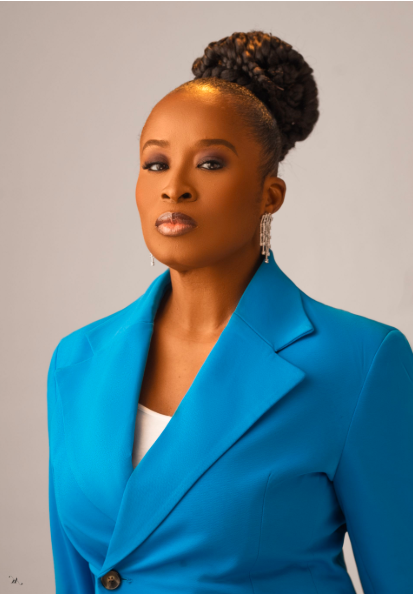
I remember my first real boardroom experience, not just walking in, but walking in as an alternate director, representing a name, a reputation, and a seat I had to earn. I was the youngest in the room and the only woman, surrounded by men decades older. It would have been easy to overcompensate, strut my CV and speak quickly just to prove I belonged. But instead, I made it a point first to study the lay of the land.
I watched who people deferred to. I paid attention to how conversations flowed, where influence was centered, and how disagreements were handled. That awareness confirmed to me that beyond technical competence, there is an unspoken currency in boardrooms, and that currency is emotional intelligence, and it was going to be an indispensable and strategic skill I will need to thrive in that space.
Emotional Intelligence Is Not Aesthetic It Is Strategic
We often simplify emotional intelligence as self-awareness and empathy. While that is true, in board spaces, it goes much deeper. It is the ability to read the room beyond the agenda. To sense tension before it is voiced. To understand not just what is being said, but what is driving it.
Popular psychologist Daniel Goleman suggests that nearly 90% of what differentiates high-performing leaders from others is tied to emotional intelligence. In a boardroom, where leadership is collective and influence is distributed, that capability becomes even more critical.
In high-stakes governance conversations where perspectives differ and decisions carry weight, emotional intelligence in action will determine the tone and outcome of the discussion. It is what allows you to ask difficult questions without sounding combative. It is what helps you challenge ideas without triggering defensiveness. It is what makes it possible to build alignment in rooms that could easily fracture.
The Discipline of Knowing When to Speak
One of the most important lessons I had learned early was this, to be slow to speak but quick to listen.
Therefore in my first meeting, I sought to listen, not because I had nothing to say, but because I understood that context comes before contribution. I needed to understand the dynamics that shaped the room.
Research supports this restraint. Emotionally intelligent leaders are more composed under pressure and better able to manage complex interpersonal dynamics. They do not react impulsively, they respond deliberately. (Singh, P. 2025).
There is discipline in holding your thoughts long enough to ensure they land well. There is power in observing before asserting. And there is wisdom in recognising that silence, when intentional, is a strategy.
What Happens Outside the Boardroom Matters
What deepened this understanding for me was realising that the real work does not end when the meeting does.
Board effectiveness is not built solely on formal discussions. It is strengthened in the in-between moments like making an effort to know people beyond their titles and roles.
Taking the time to understand what matters to your fellow board members, showing up for their milestones, and building genuine relationships creates a different kind of trust. It gives context to their perspectives and makes collaboration more natural. And in board spaces, those authentic connections often make the difference between a room that simply meets and one that truly works.
If You Aspire to Sit at the Table
As a professional who hopes to sit on boards someday, emotional intelligence is not optional. It is foundational.
It strengthens your judgment. It sharpens your listening and helps you distinguish between what is being said and what is actually driving a conversation. And most importantly, it elevates your ability to contribute in a way that is not just heard, but respected and considered. These are skills that elevate your input and strengthen your influence.
I am curious though, for those who have sat in or observed boardrooms, how much do you think emotional intelligence actually shapes the effectiveness of a board conversation?
Sources:
- Harvard Business Review – What Makes a Leader? by Daniel Goleman
https://hbr.org/2004/01/what-makes-a-leader - Singh, P. (2025). The Role of Emotional Intelligence in Leadership Success. International Journal of Social Impact.